

Long before it was a wellness trend, ginseng was something nations sailed across oceans to obtain.
For centuries, a single root from the Korean peninsula moved silver between empires, launched the young United States into global trade, and was guarded as the personal property of kings. This is the story of why the world wanted Korean ginseng.
A root reserved for kings
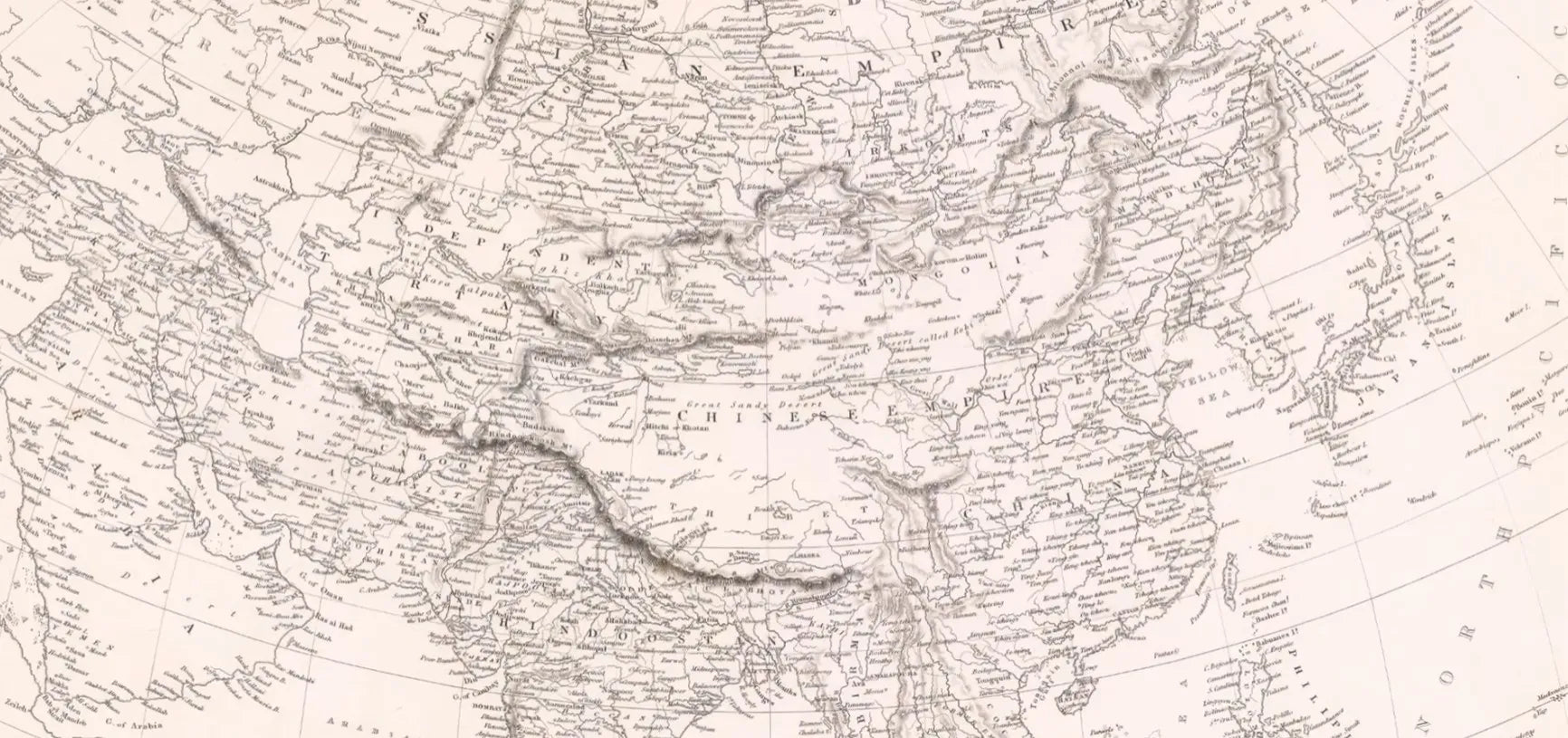
In late Joseon-era Korea, ginseng was among the most valuable goods the country produced. Red ginseng in particular was so prized that it was treated as the personal property of the Korean monarch. Possessing it without authorization could carry the harshest of penalties. Yet demand across the border was so intense that large quantities were still smuggled by junk across the Yellow Sea, where it always commanded a ready market and a good price.
The center of this trade was Kaesong, whose merchants built a reputation for cultivating and processing the finest roots. As it traveled, the name traveled with it: Koryo insam, Korean ginseng, became a label recognized far beyond the peninsula.
"Hongsam was considered the personal property of the Korean monarch, and unauthorized possession was punished with summary execution."
On late-Joseon ginseng, via The Korea TimesThe diplomacy of a single root
Ginseng's reach is older than most empires people remember. Korean records describe it moving through East Asian courts well over a thousand years ago, carried as a gift and a trade good between kingdoms. It later became a fixture of the formal embassies Korea sent to China, listed alongside horses and fine cloth as one of the peninsula's signature exports. A root that grew quietly in mountain soil had become an instrument of statecraft.
- 6th–8th c.Korean kingdoms send ginseng to neighboring courts as a diplomatic gift and trade good.
- 11th–12th c.Kaesong becomes the heart of cultivation and processing; "Koryo insam" spreads abroad.
- Late JoseonRed ginseng treated as royal property; smuggled despite severe penalties.
The ship that carried ginseng into history
Here's the chapter most people never hear. When the newly independent United States wanted to prove it could trade with the world on its own terms, the cargo it chose to stake that ambition on was ginseng.
On February 22, 1784, on George Washington's birthday, the Empress of China sailed out of New York harbor with a thirteen-gun salute, one shot for each state in the new union. She was the first American ship ever to sail for China, and the heart of her cargo was roughly thirty tons of North American ginseng. The voyage was backed by founding-era financiers, including Robert Morris, a key financier of the American Revolution. One historian later called it an economic Declaration of Independence, a commercial counterpart to the political one of 1776.
"It amounted to an economic Declaration of Independence, a commercial counterpart to the purely political Declaration of 1776."
Historian John Haddad, on the Empress of China's ginseng voyageThink about what that means. Of all the goods a young nation could have chosen to introduce itself to the largest market on earth, it chose this root. Ginseng wasn't a curiosity. It was hard currency, one of the few things the wider world reliably wanted.
Why this still matters
Trends come and go. Ginseng has been continuously valued across cultures and centuries, by kings and merchants and revolutionaries, long enough that the word "trend" almost feels disrespectful. When you keep a stick of Korean red ginseng in your bag today, you're holding the modern form of something that empires negotiated over and ships crossed oceans to carry.
Dr. Choi's roots come from Geumsan, one of the historic heartlands of Korean cultivation. The story is long. We're simply trying to do the current chapter justice.
Centuries of heritage, in one stick
Dr. Choi's Korean Red Ginseng carries on a long tradition of 6-year Geumsan roots, full spectrum, steamed the traditional way and lab-tested every batch.
Explore the ginseng →This article is a historical and cultural overview drawn from published trade histories and is for educational purposes only. It is not medical advice and makes no health claims. These statements have not been evaluated by the Food and Drug Administration. This product is not intended to diagnose, treat, cure, or prevent any disease.