
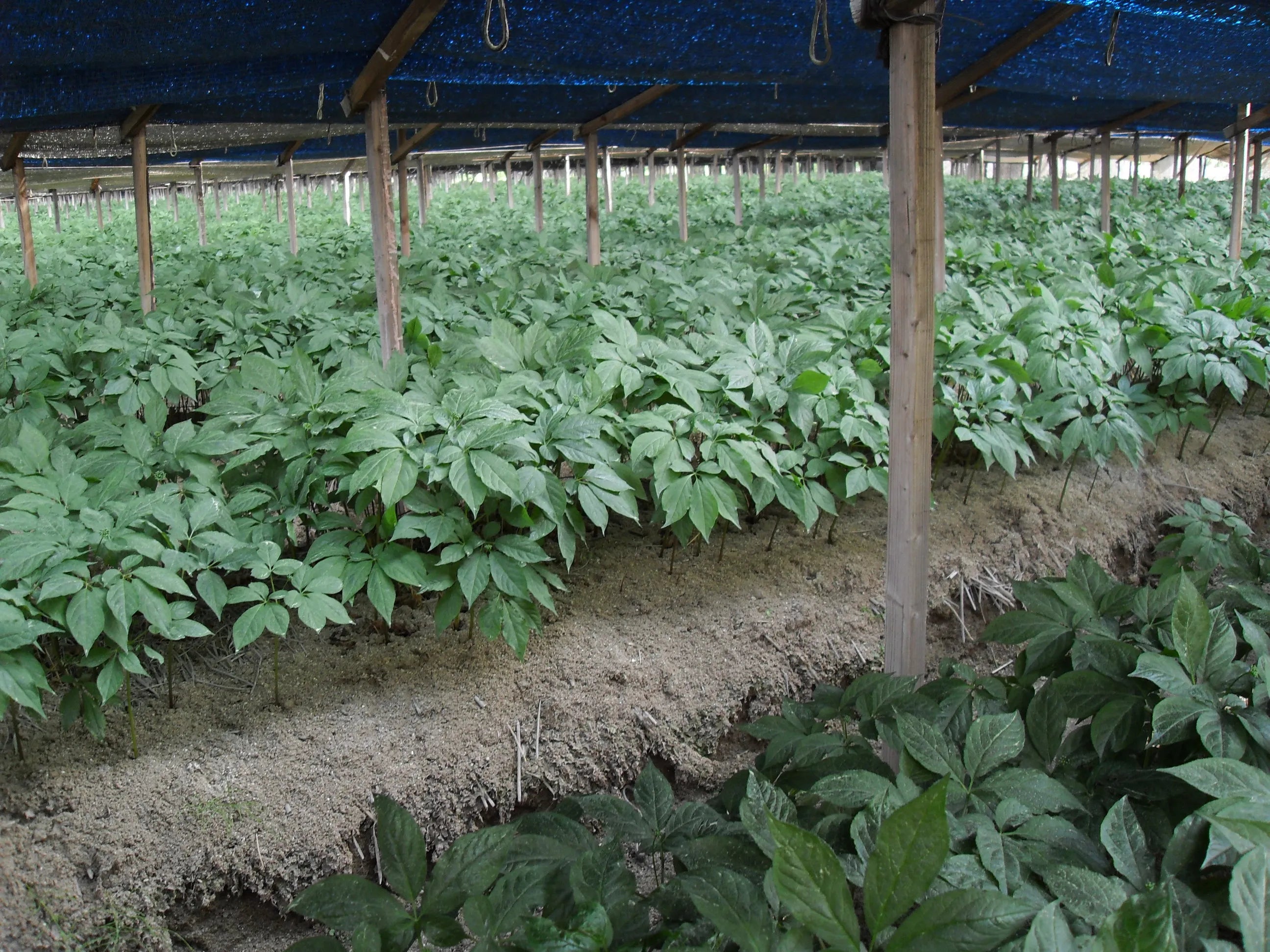

You'll see "6-year root" on the best Korean ginseng, almost like a badge. It's easy to assume older is just a marketing flex — more years, bigger number. But six is a very specific, almost magical mark in a ginseng's life. Here's why growers stop exactly there.
Six is the ceiling, not just a choice
A ginseng plant keeps a quiet count of its own age. Each year it puts out a set of leaves, and the count climbs — until year six, when it reaches six and simply stops. A seven-year-old plant doesn't grow a seventh; the plant has hit its natural maximum. Up to that point, the root's diameter, height, and weight all keep increasing, and its active compounds peak right around year six.
Push past six and you don't get "more." The outer skin begins to turn woody and bark-like, growth slows, and quality actually declines. So six years isn't an arbitrary number a brand picked — it's the golden window where the root is fully mature but not yet past its prime.
There's even a poetic detail here: it's around six years that the root finally takes on its famous human-like shape — the very feature that gave ginseng its name. (In Korean, the name literally evokes a "person root.")
Six hard years in the ground
Six years is a long time to ask of a single crop. The root sits in the soil through six cycles of blistering summers and heavy winter snows, drawing in nutrients and slowly building its composition. That patience is the whole point — and it's why a fully mature root is valued for its size, density, and the fuller natural composition that time allows.
Why the body of the root matters: the prized polysaccharides — the "hidden half" of red ginseng — concentrate in the main body of a mature 6-year root, not the thin rootlets. Age and the right part of the plant are part of what gives red ginseng its full, balanced profile.
The grades almost no one sees
Among 6-year roots, there's a quality hierarchy most people never hear about, judged on shape, internal density, and a flawless skin:
The very top grade is so rare it's almost folklore — a near-perfect, human-shaped root that survives six full years of weather without a flaw. That scarcity is a good reminder of what "6-year root" really represents: not a marketing line, but the demanding end of a long process.
Why Geumsan
Where those six years happen matters too. Dr. Choi's roots come from Geumsan, the traditional heartland of Korean ginseng cultivation — the region whose soil, climate, and centuries of know-how made it the name growers and pharmacists trust. Mature roots, grown where ginseng grows best, then steamed into red ginseng: that's the foundation everything else is built on.
Grown to maturity, not rushed Dr. Choi's starts with 6-year Geumsan Korean ginseng — fully mature roots, steamed the traditional way, full spectrum, lab-tested every batch.
Explore the ginseng →* These statements have not been evaluated by the Food and Drug Administration. This product is not intended to diagnose, treat, cure, or prevent any disease. Descriptions of root maturity and composition reflect traditional cultivation knowledge and published analyses, not health claims. This article is for educational purposes and is not medical advice; if you are pregnant, nursing, taking medication, or managing a health condition, consult a qualified healthcare professional before starting any supplement.